
Nativity display ideas
Where a nativity stands changes how it is seen. These ideas come from the scenes Michael Joseph Stumpf and A.J. DiAntonio have built in our Bucks County atelier, for homes, churches and museums. Every photograph is one of our own commissions.
On a mantel, shelf or bookcase
A mantel or a built-in shelf puts the nativity at eye level, where the faces of the figures can be seen. Measure the depth before anything else: most shelves are shallower than a nativity wants to be.
A backdrop solves a shallow space. A painted or carved back wall gives the scene depth without taking any, so the Holy Family can stand close to the front edge.
- Keep the figures in the front two thirds of the shelf, and the architecture behind them.
- Leave a few inches of greens or open space at each end so the scene does not look crowded into the shelf.


On the wall
A nativity hung on the wall is out of reach of small hands and pets, and it can sit at exactly the height where it is easiest to see. It also leaves the mantel and tables free during the season.

On a side table, under a glass dome
A glass cloche is the simplest way to display a small nativity on a side table, an entry console or a desk. The dome keeps dust off the figures, the scene can be seen from every side, and the footprint is small.
- Choose a dome that lifts off, so the figures can be reached and the glass cleaned.


In a glass case or cabinet
A museum-style case protects a detailed scene all year, so it does not have to be packed away after Epiphany. It also frames the nativity like an exhibit, which suits a collection of fine figures.
A freestanding conservatory case can become a piece of furniture in its own right, at the end of a hallway or in a window.
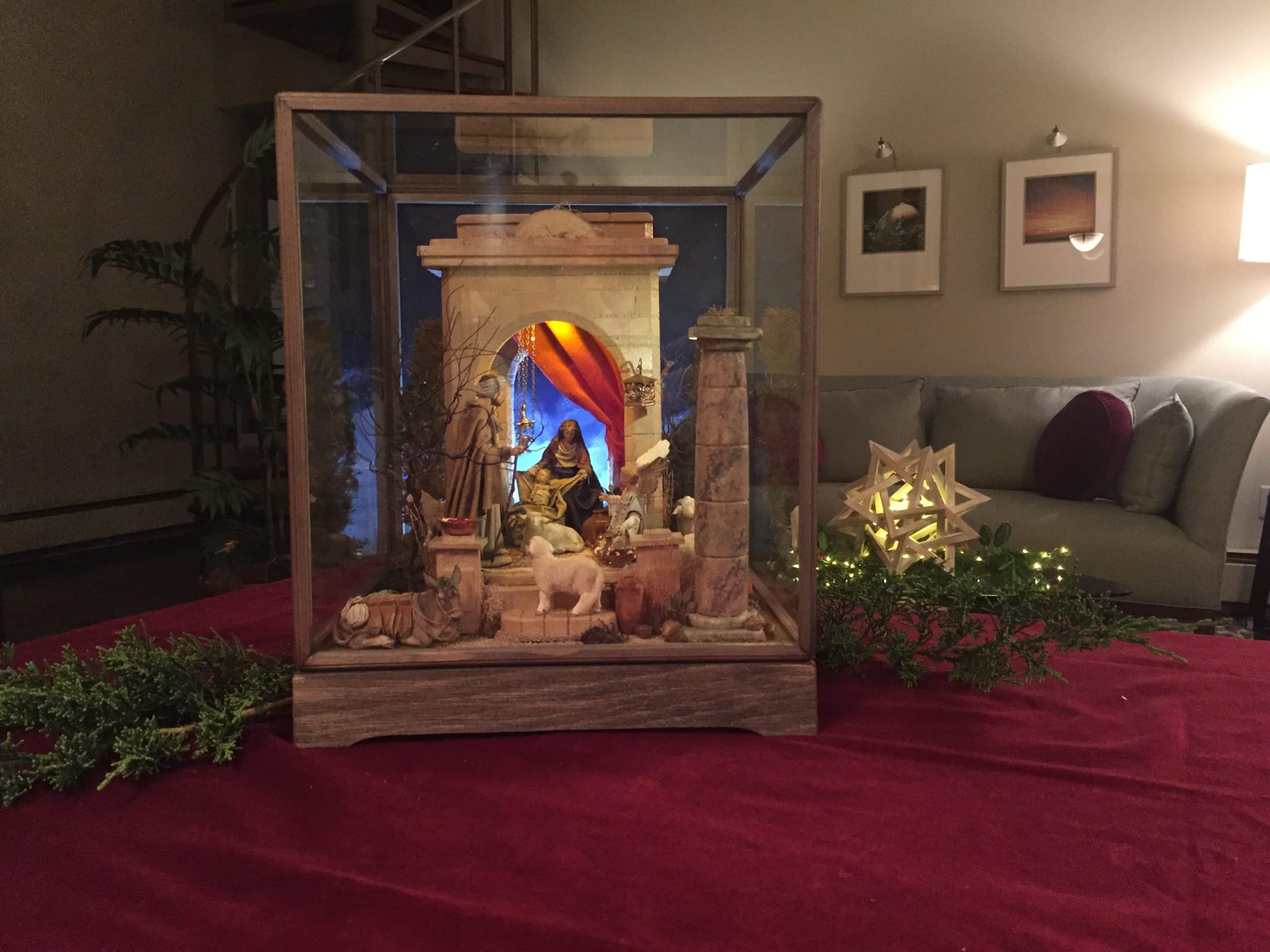
Judean Temple
A temple setting in a museum glass case, with a painted backdrop.
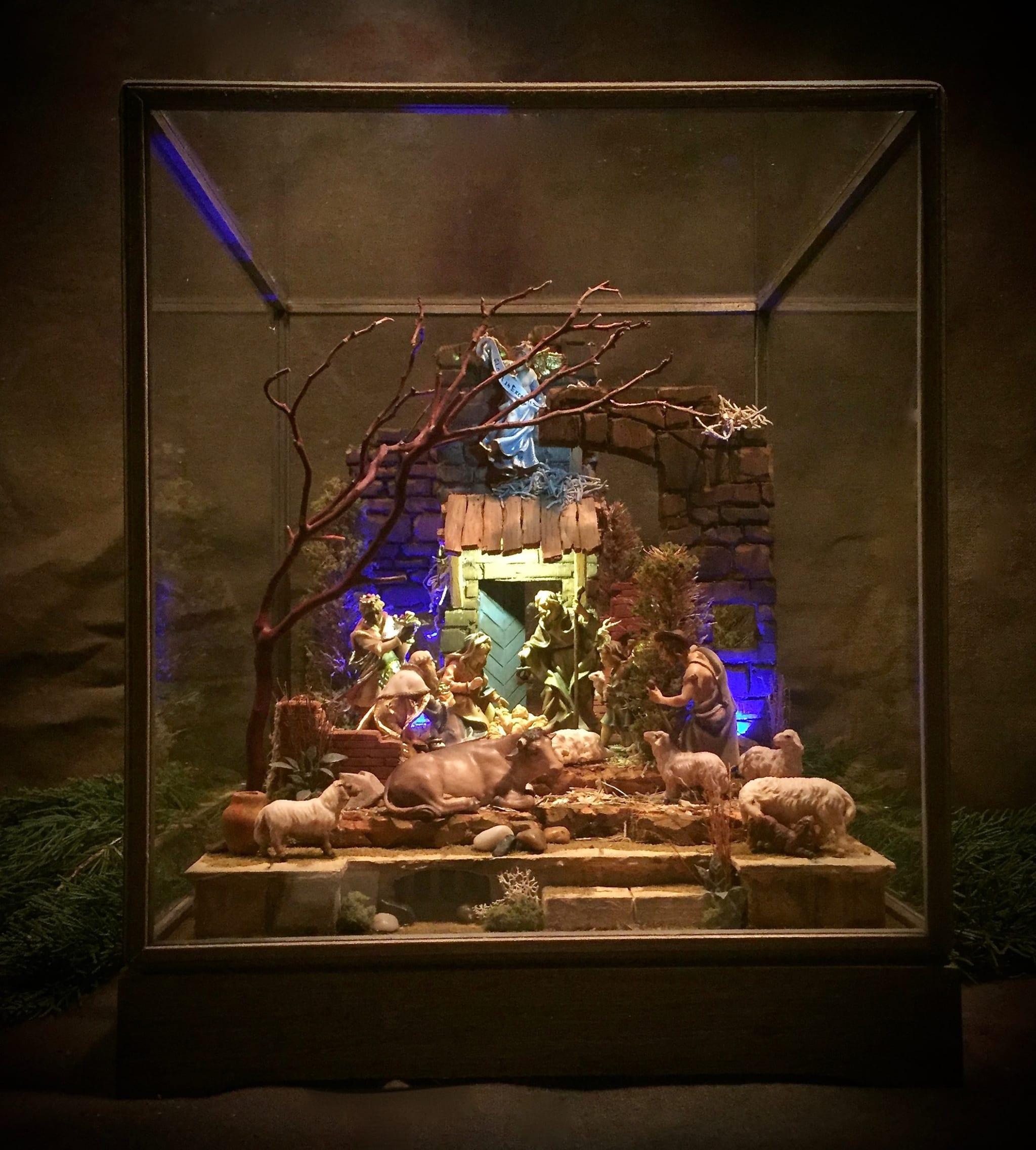
Museum Case Stable Walls Creche
The crumbling walls of a Bethlehem stable in a display case.
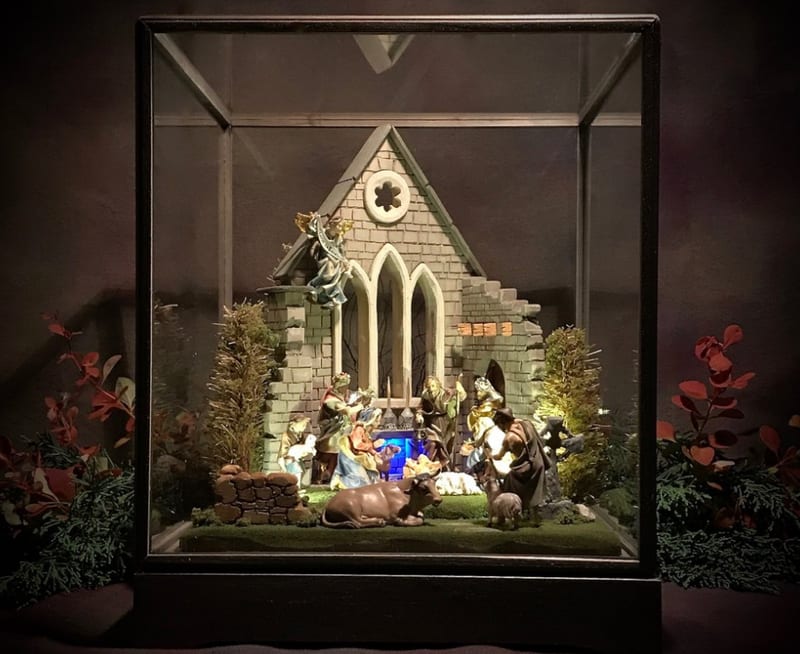
The Irish Cathedral Nativity
The ruins of a medieval church in a museum display box.
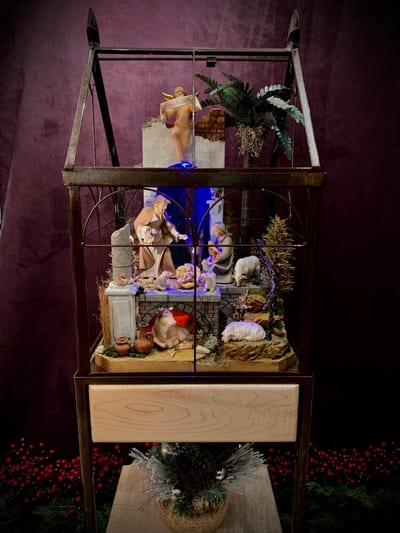
Large Conservatory Creche
A freestanding glass conservatory on an antiqued metal stand.


Give an antique a new purpose
An old case, frame or model can become the setting itself. Early twentieth-century assayer's boxes, made to protect the fine brass scales used to weigh gold and silver, make a nativity feel like a treasure kept safe.

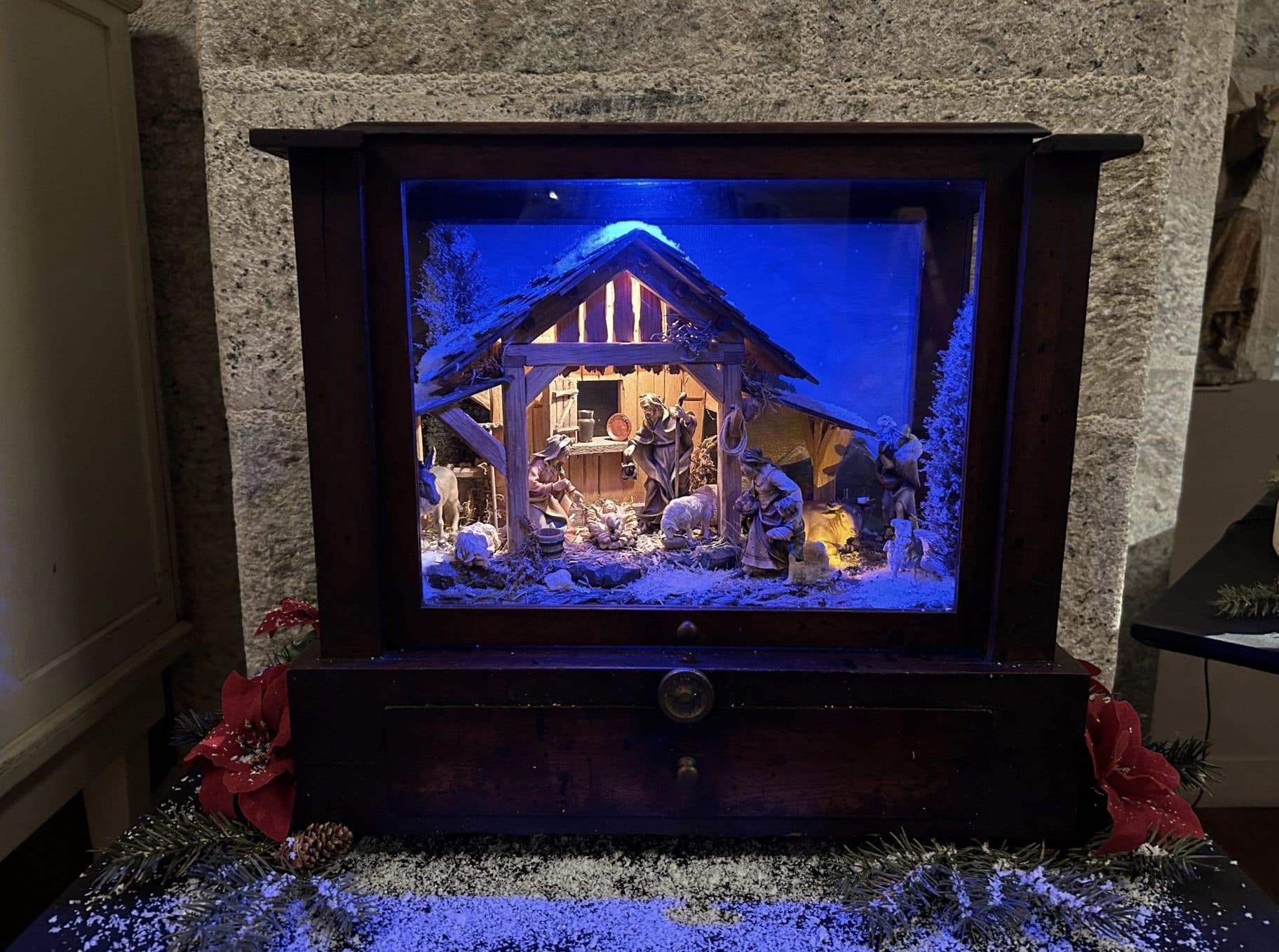

Natural settings: wood, stone and greens
Natural materials make even a simple set feel like a place. Unpainted wood, stone, bark and moss suit carved figures, and fresh greens around the base tie the scene to the rest of the room at Christmas.
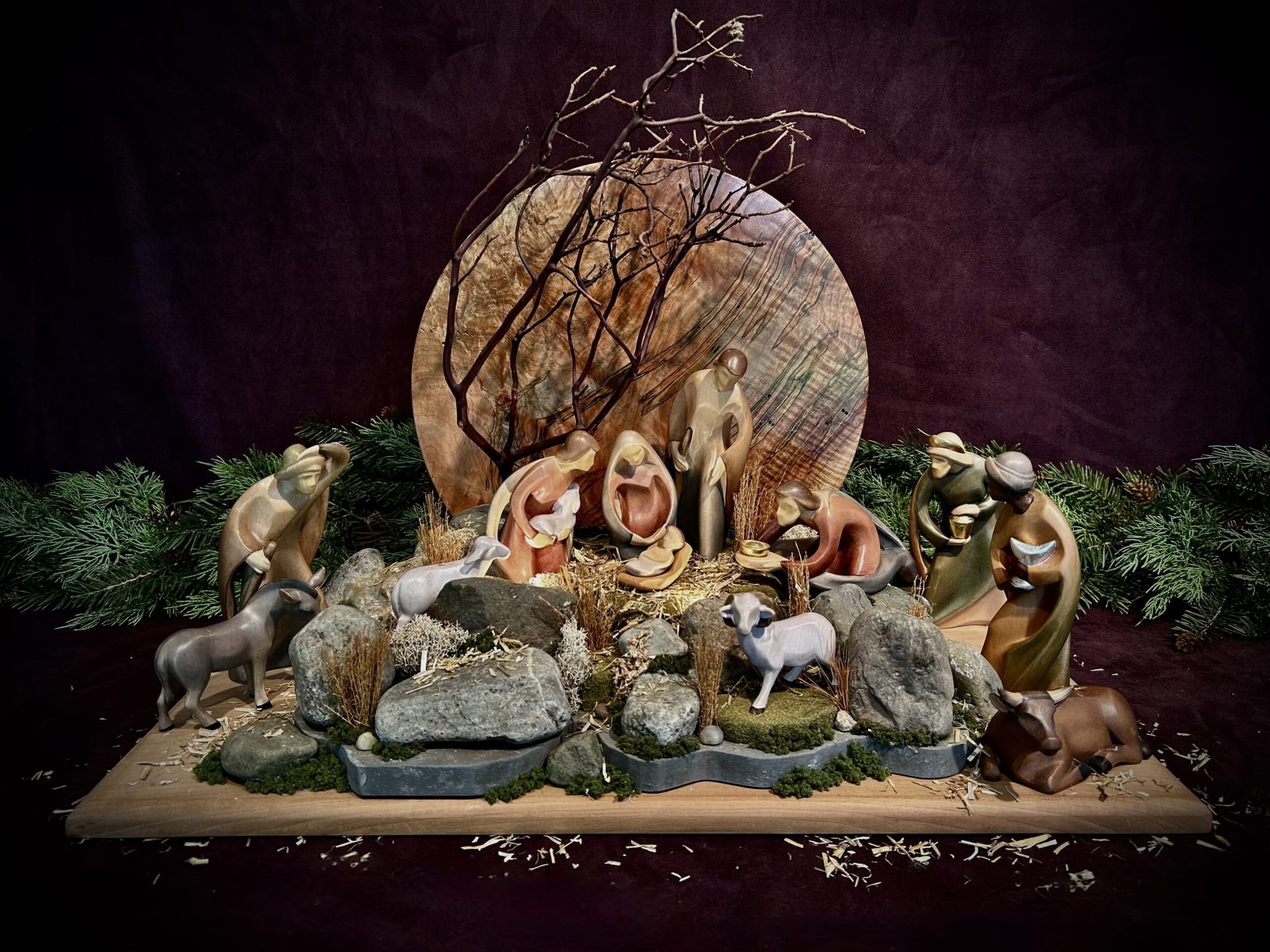
The Tranquility Creche
Made entirely of natural materials, for Rowi's Leonardo figures.
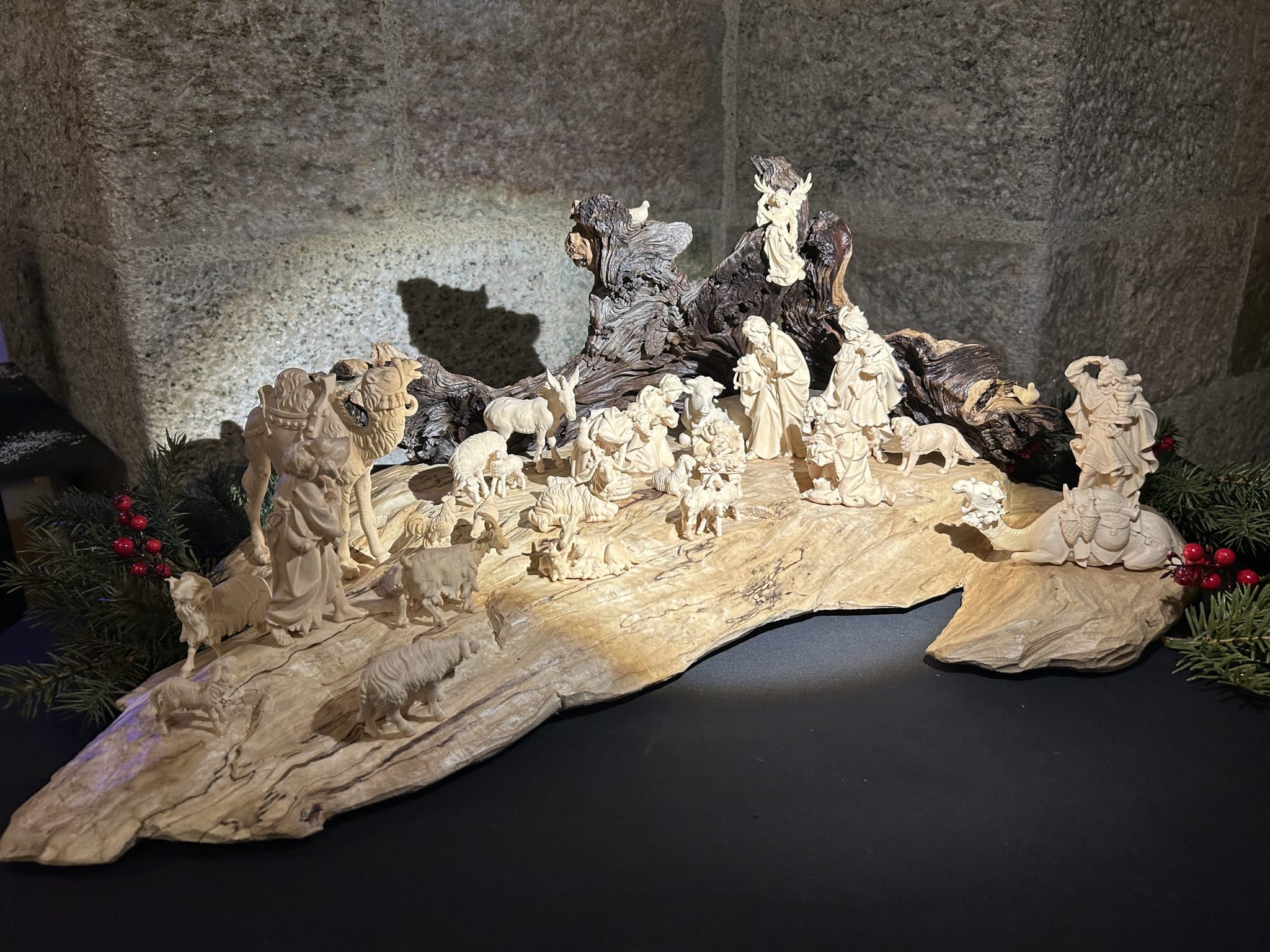
The Serenity Creche
Only the beauty of natural wood, inspired by the museums of Val Gardena.
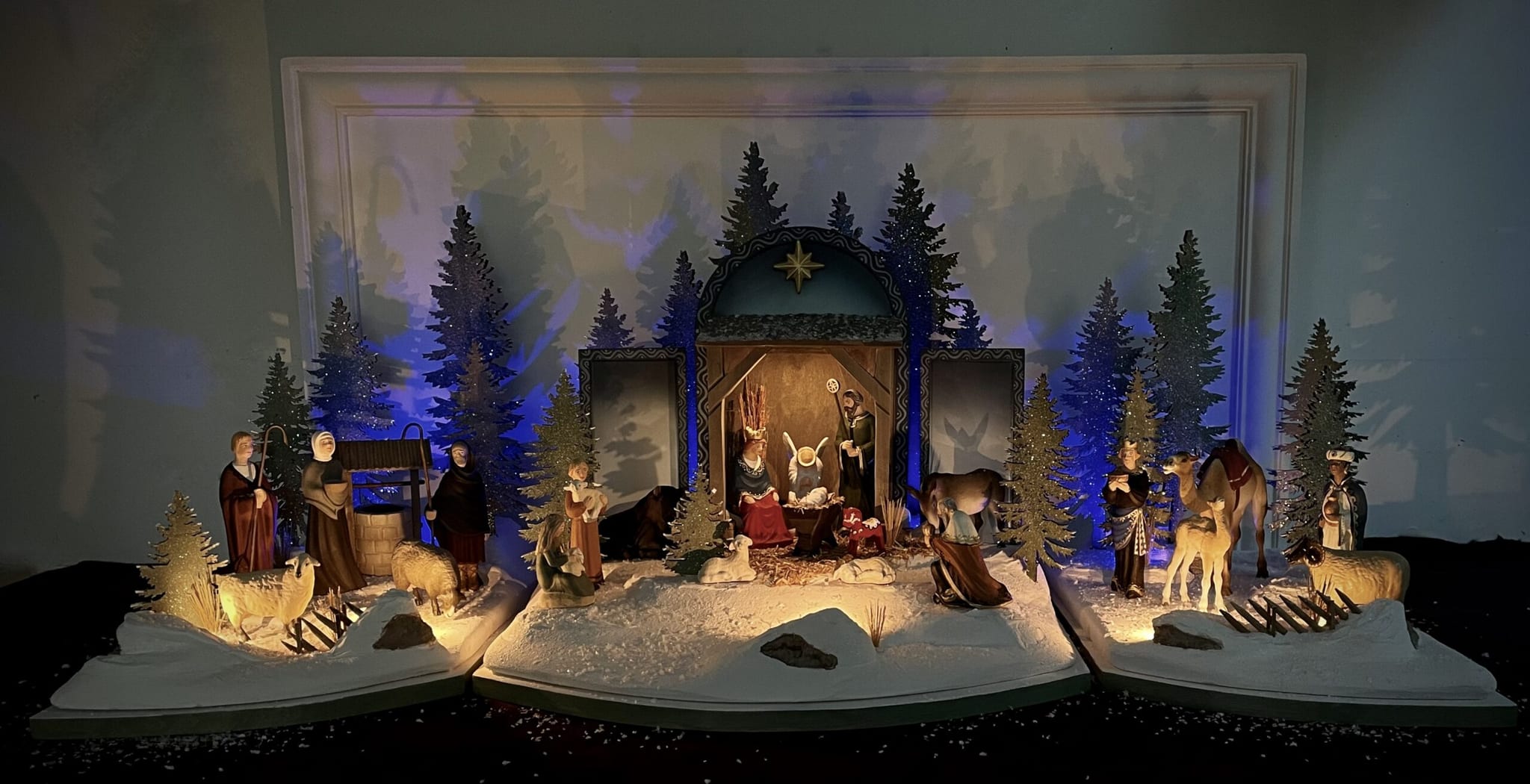
Nordic Julekrybbe
The Christ Child in a forest of frosty spruce and drifted snow.
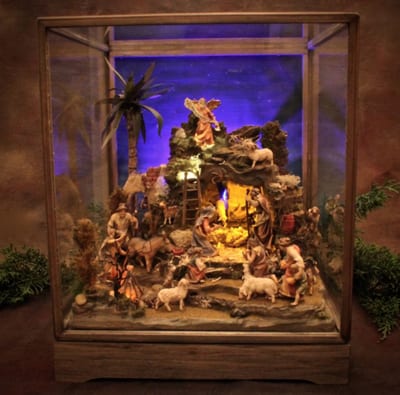
Shepherd’s Grotto
A hilltop grotto with only the shepherds in attendance.


Light the scene
Light is what makes a nativity glow in the evening. We now build in adjustable LED lighting rather than one single light source, so each part of the scene can be lit and the mood changed.
A set without built-in lights can be surrounded with tiny fairy or rice lights and fresh greens, which gives much the same warmth.
- Light the figures with warm white, which flatters wood and painted faces; keep any blue for the night sky behind them.
- Hide the light sources in the architecture, and light the Holy Family most brightly.


A new setting for family figures
Many families already have the figures, handed down or collected over the years, but no stable worthy of them. A setting made for those figures, at their scale, can make a familiar set look new.
- Measure the tallest standing figure first: the doorways and roofline are scaled from it.
- Bring every figure, including the animals and the kings, so there is room for all of them.
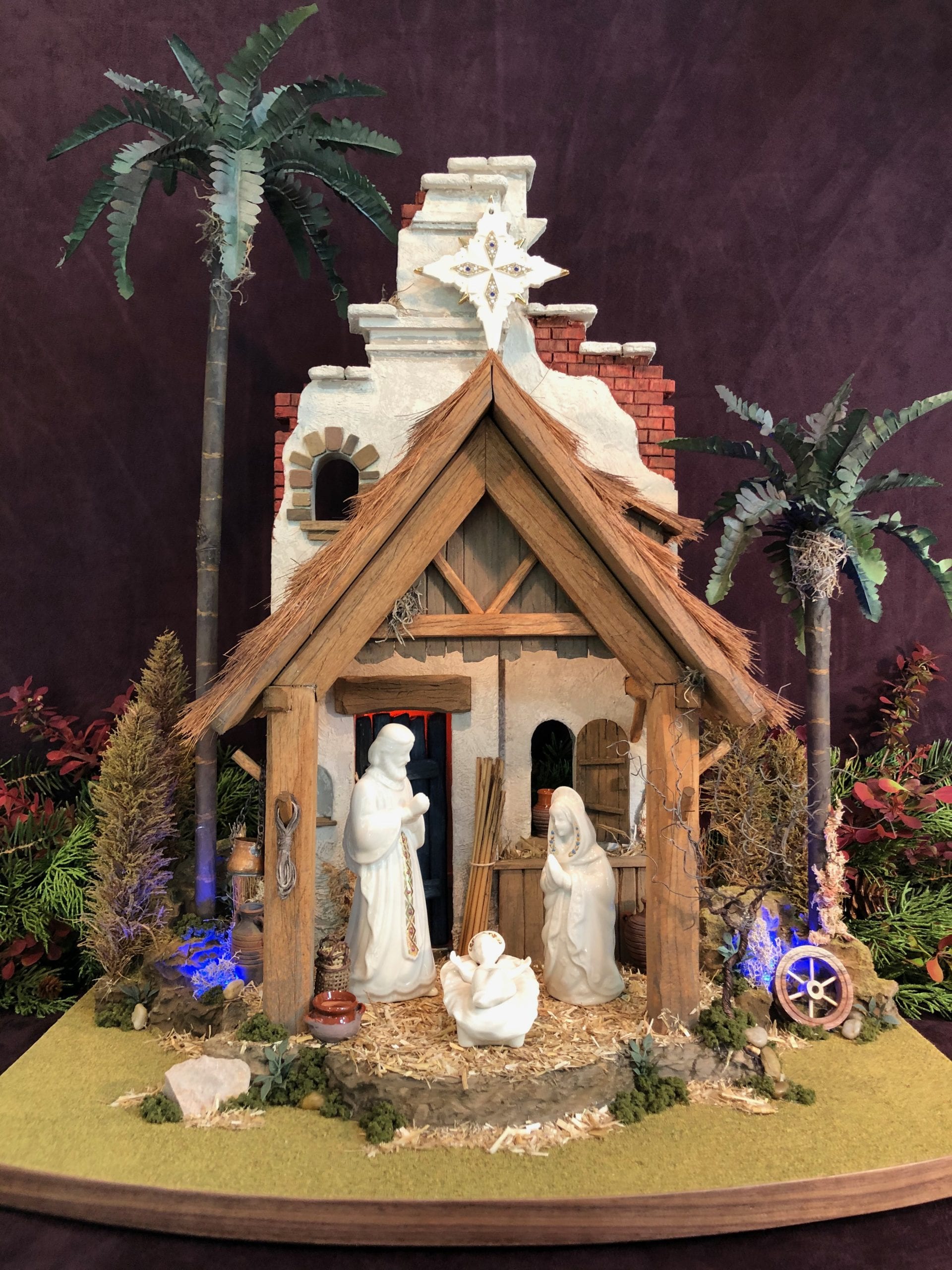
The Custom Lenox Stable
An all-wood stable designed around a client's Lenox figures.
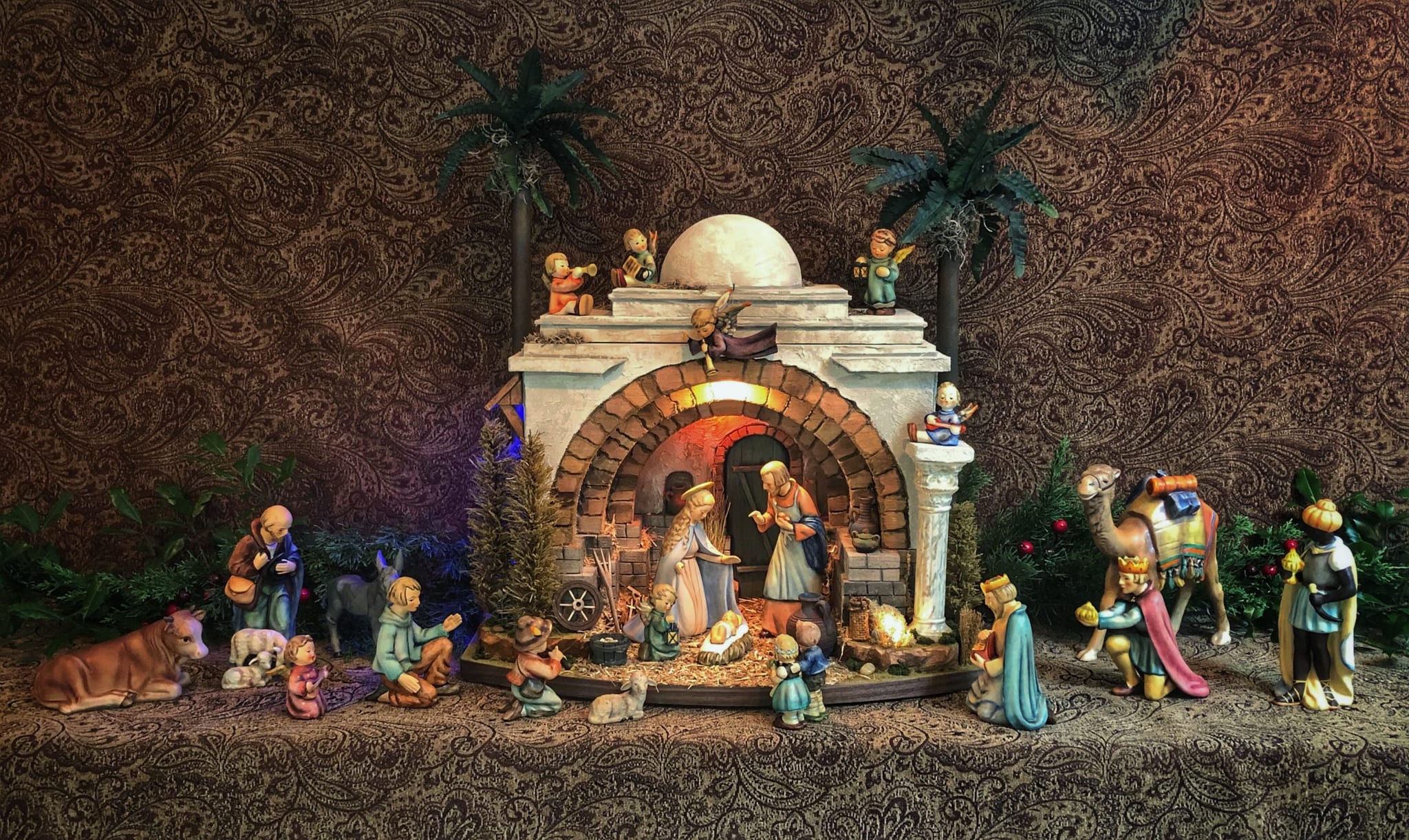
The Hummel Grotto Nativity
Our Grotto Nativity, scaled for a collector's Hummel figures.
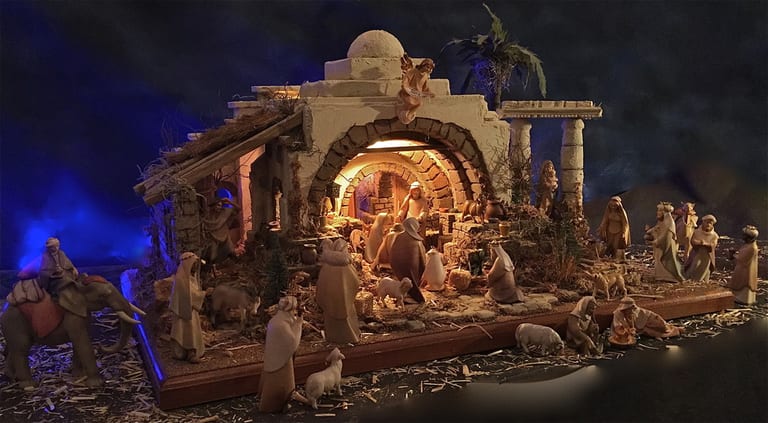
The Original Grotto Nativity
A design rebuilt several times for figures of different sizes.
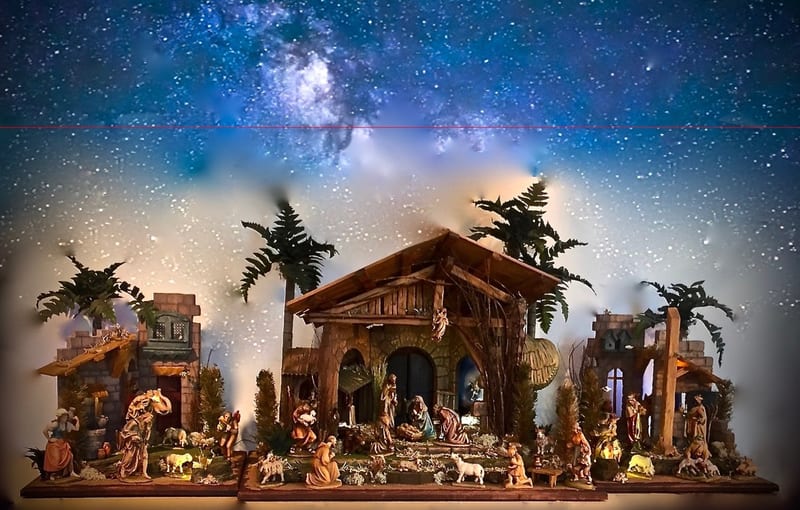
Custom Bernardi Creche Restoration and Expansion
An existing stable refreshed and enlarged.


A large display for a church, museum or great room
A large nativity is a landscape more than a stable: an inn, city walls, hills and paths that lead the eye to the Holy Family. Plan where people will stand to see it, and build it up in levels so figures at the back are not hidden.
A scene that will be seen from all sides should be designed in the round, with no single back wall.
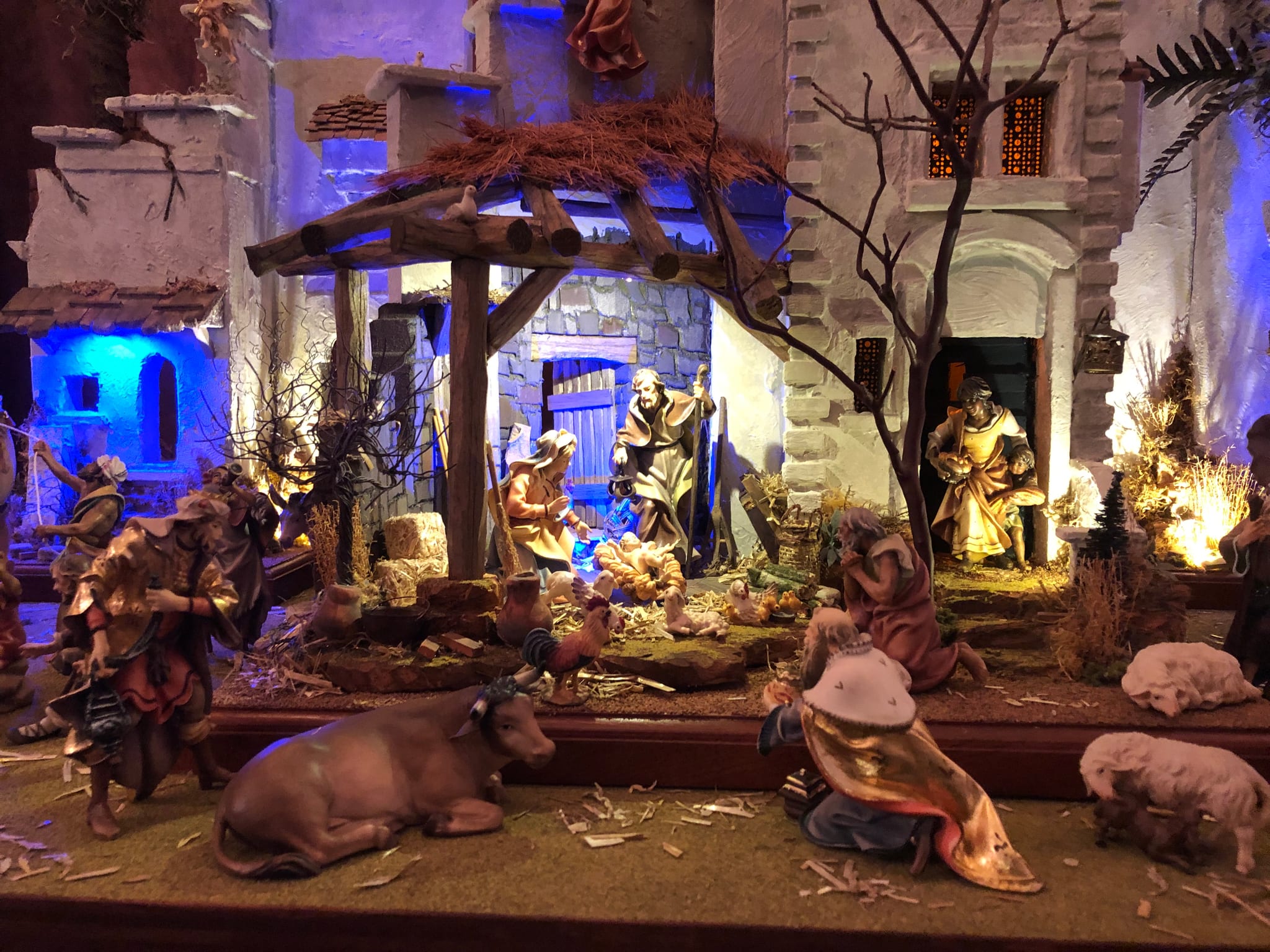
The All Saints Nativity
About 60 inches wide, for Trinity Church Wall Street's All Saints Chapel.
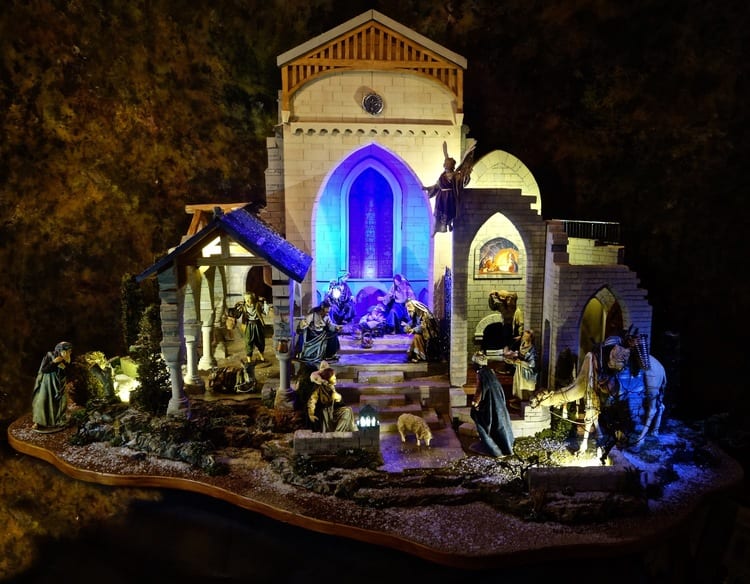
The Glencairn Nativity
In the permanent collection of Glencairn Museum, Bryn Athyn.
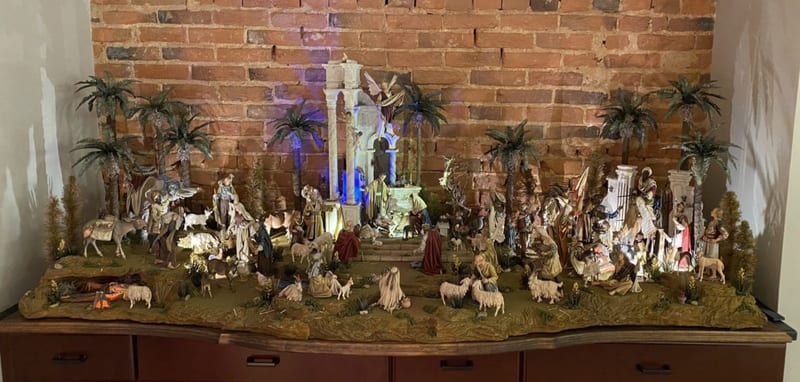
The Renaissance Nativity
A large diorama for more than 75 Heide Immanuel figures.
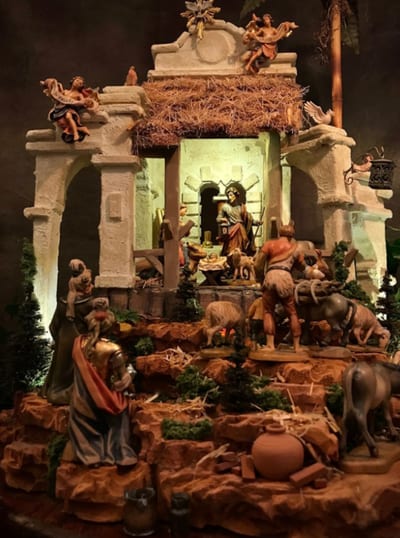
The Mountainside Manger
A round design meant to be viewed from every angle.


A setting that tells of a place
The architecture can carry a story of its own: the hills of Judea, a stable in the Dolomites, the Southwest of the United States or the Italian village where the first nativity was staged in 1223.


Let the scene change through the season
Many families set the stable out at the start of Advent with the manger empty, place the Christ Child on Christmas Eve, and move the three kings a little closer each day until they arrive on Epiphany, January 6. It turns the nativity into something the whole household watches.

Try it before you build it
Arrange real figures from our catalog on a mantel, windowsill or stable backdrop in the nativity card builder, free and with no account. To begin a collection, a starter set gives you a stable and the Holy Family to build on each year. For a setting made for your space or your family's figures, see the full portfolio or write to us.